The Zanabians’ Meeting Place
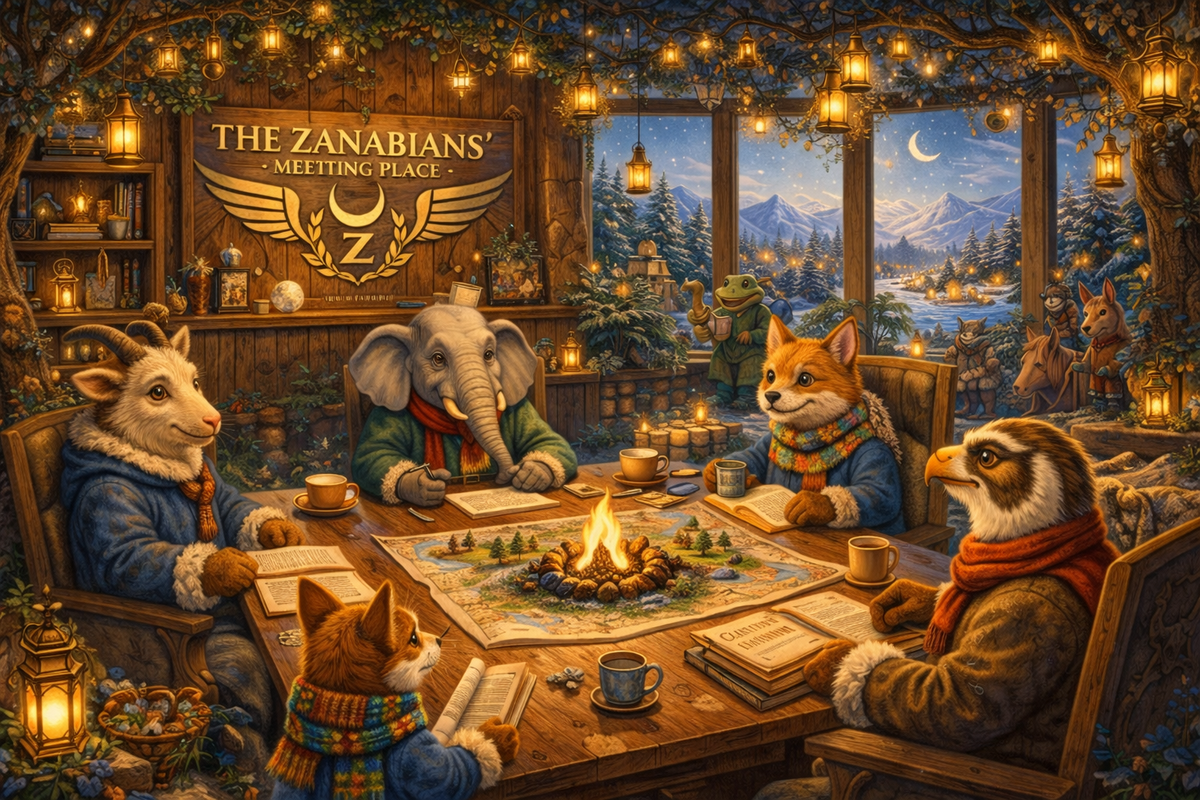
Hidden in plain sight—because the best secrets never shout—the Zanabians’ Meeting Place is where quiet power prefers to sit. It is not large. It is not loud. It does not announce itself with banners or brass plates. It simply exists, confident and unbothered, like someone who knows their phone will never ring unnecessarily. The room is built of rosewood that smells faintly of wisdom and old libraries, polished just enough to reflect thought, not vanity. Marble runs beneath your feet in calm, deliberate lines, cool and grounding, as if reminding every visitor to leave their ego at the door and their excuses outside the building entirely. The lighting is warm, indirect, and forgiving—excellent for long pauses, careful silences, and the occasional raised eyebrow that changes history. The desk—singular, not plural—is carved from one uninterrupted slab of rosewood. No drawers squeak here. No cables dangle. Even the chairs seem to sit straighter when occupied. Architectural Digest would call it “timeless restraint.” Zanabians simply call it “Tuesday.” Access is… selective. Four members only. Not five. Not “plus one.” Not “I’ll just step in for a minute.” Entry requires alignment, not authorization. The door recognizes intent before it recognizes hands. Those who don’t belong find themselves distracted halfway down the corridor, suddenly remembering an urgent appointment elsewhere. Humour exists here, but it whispers. A misaligned pen is noticed. A chair pushed back carelessly is silently judged. Tea is served at exactly the right temperature—not hot enough to rush, not cool enough to stall. This is where major decisions are made: when to expand, when to wait, when to protect, and when to let something grow on its own without interference. Despite the grandeur, the room feels deeply human. It listens. It absorbs doubt, amplifies clarity, and returns courage in small, manageable doses. When meetings end, no one storms out. They simply stand, nod once, and leave knowing that something important—quietly, irrevocably—has been decided.